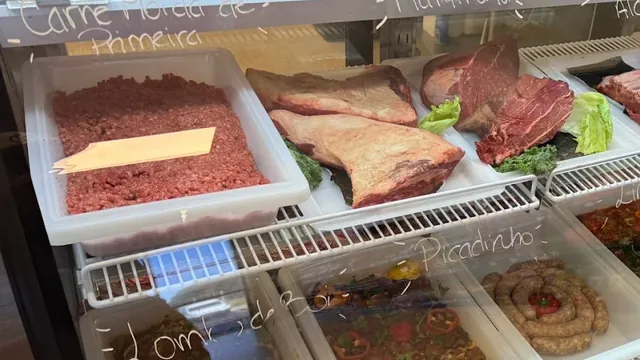
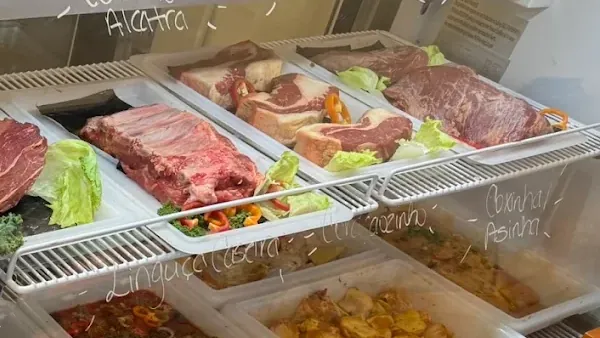
Meat Temperature Chart: Steak Doneness, Pork, Chicken and Ground Meat (°F and °C)
A thermometer is the cheapest tool that makes the biggest difference in your cooking. Here are the numbers we use behind the counter, in Fahrenheit and Celsius, plus how to take an accurate reading.
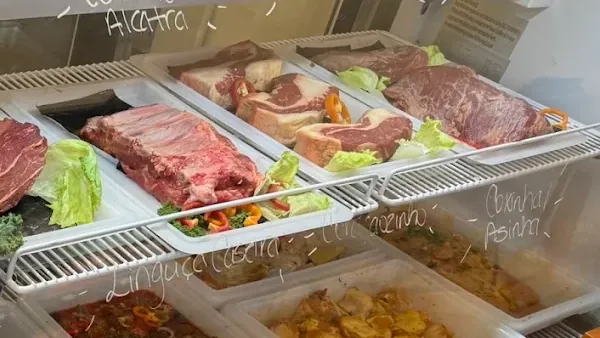
Steak doneness (beef and lamb)
| Doneness | Pull from heat | After resting | What it looks like |
|---|---|---|---|
| Rare | 115–120 °F (46–49 °C) | 120–125 °F (49–52 °C) | Cool red center |
| Medium-rare | 125–130 °F (52–54 °C) | 130–135 °F (54–57 °C) | Warm red-pink center |
| Medium | 135–140 °F (57–60 °C) | 140–145 °F (60–63 °C) | Pink center |
| Medium-well | 145–150 °F (63–66 °C) | 150–155 °F (66–68 °C) | Slight pink |
| Well done | 155 °F+ (68 °C+) | 160 °F+ (71 °C+) | No pink |
The USDA's safe minimum for whole cuts of beef, pork, lamb and veal is 145 °F (63 °C) with a 3-minute rest. Many people choose to eat steaks rarer than that; it's your call.
Safe minimums for everything else
| Food | Safe minimum | Notes |
|---|---|---|
| Ground beef, pork, lamb | 160 °F (71 °C) | Burgers, meatballs, picadillo |
| Fresh sausage (pork or beef) | 160 °F (71 °C) | Including linguiça |
| Chicken and turkey, whole or pieces | 165 °F (74 °C) | Wings and thighs are better at 175–185 °F |
| Ground chicken or turkey | 165 °F (74 °C) | |
| Pork chops and roasts | 145 °F (63 °C) + 3 min rest | Slightly pink is safe |
| Leftovers and casseroles | 165 °F (74 °C) | Reheat until steaming |
When tender beats "done"
Tough, collagen-rich cuts are safe long before they're good. Cook these to the higher numbers so the connective tissue melts:
- Pot roast, short ribs, oxtail, brisket: about 195–205 °F (90–96 °C). See our pot roast and oxtail recipes.
- Pulled pork and pernil: about 190–200 °F (88–93 °C). Here's our pernil recipe.
- Pork belly: about 190–200 °F for tender, rendered layers.
Carryover cooking
Meat keeps cooking after it leaves the heat. Thick steaks and roasts can climb another 3 to 10 °F while they rest, so pull them early. Bigger roasts and hotter cooking methods mean more carryover.
How to use a meat thermometer
- Insert the probe into the thickest part, away from bone and fat.
- For thin steaks and chops, go in from the side so the tip sits in the center.
- Check a couple of spots on big roasts and whole chickens (the thigh, not touching the bone).
- Test it: in a glass of ice water it should read 32 °F (0 °C). If not, recalibrate or replace it.
Ready to put it to work? Try our steak guide or the reverse-sear prime rib.
Quick answers
What temperature is medium-rare steak?
About 130 to 135 °F (54 to 57 °C) after resting. Pull it from the heat around 125 to 130 °F, because the temperature rises as it rests.
What is the safe internal temperature for chicken?
165 °F (74 °C) for whole chicken, pieces and ground chicken. Wings and thighs are juicier and more tender at 175 to 185 °F.
What temperature should pork be cooked to?
Pork chops and roasts are safe at 145 °F (63 °C) with a 3-minute rest. Ground pork and fresh sausage should reach 160 °F (71 °C).
Shop the counter at Costa's
2169 Davenport Blvd, Davenport, FL, in Webb's Town Center. Open Mon–Sat 8 am–8 pm and Sun 8 am–5 pm. Order online for pickup, call for custom cuts, or join the WhatsApp group for weekly specials.